
Furnace Repair
Complete furnace solutions for Denver homes.
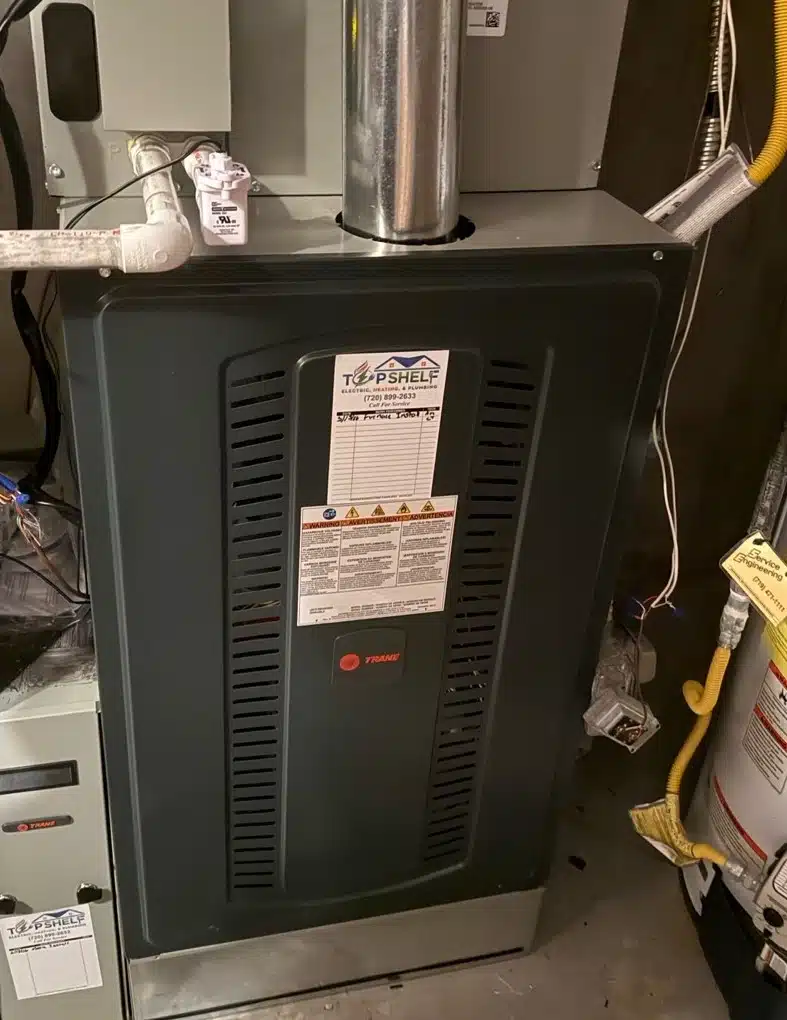
Furnace Repair in Denver, CO
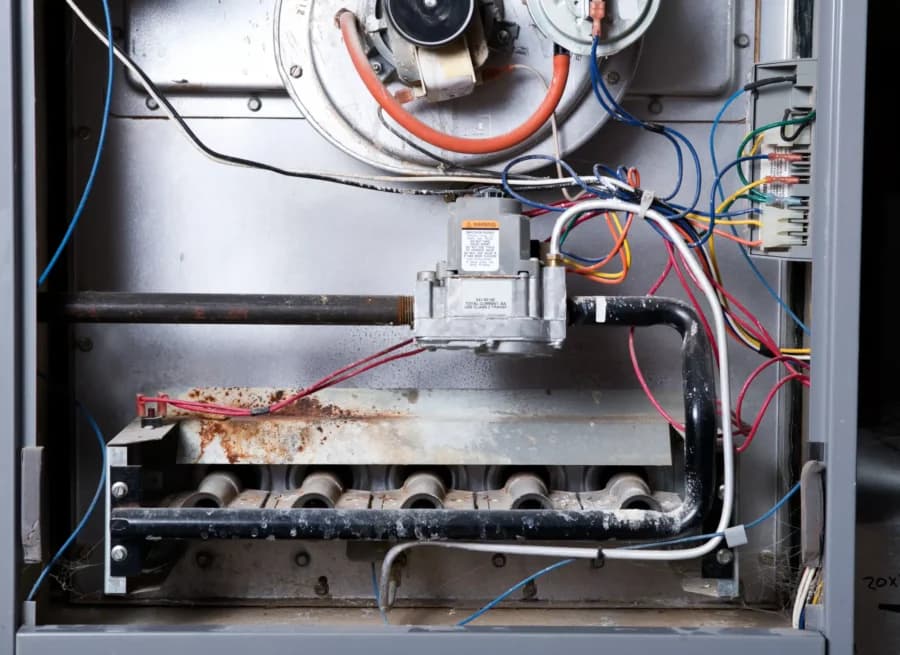
Top Shelf Electric, Heating, & Plumbing offers furnace repair in Denver and beyond, repairing gas furnaces of every age and type throughout metro as part of our complete Denver heating services. Furnace repair means pinpointing why your furnace stopped heating or started acting up, then fixing that specific problem safely.
Whether your furnace won’t light, keeps shutting off, or is blowing cold air, our Denver furnace service technicians track down the cause and give you the price before any work starts. A real person answers our phones 24/7, and we run service calls from 7 a.m. to 10 p.m., seven days a week.
Call (720) 899-2633Our Denver Metro Heating Services
Why Timely Furnace Repair in Denver Matters
Putting off a Denver furnace repair rarely makes it cheaper. A small failure left alone tends to take other parts down with it.
- Frozen pipes: When the furnace quits during a Denver cold snap, pipes along exterior walls and in crawlspaces can freeze overnight.
- Safety: Repeated shutdowns, flame rollout, or a cracked heat exchanger can all point to combustion problems that affect carbon monoxide levels.
- Smaller repair bills: A weak capacitor caught early is a quick fix. Left alone, it can burn out the blower motor.
- Lower gas bills: A furnace that’s struggling burns more fuel to heat the same house.
- Shorter waits: Repairs booked at the first sign of trouble are much easier to schedule than a no-heat call during the season’s first big freeze.
Furnace Troubleshooting to Try Before You Call
A few quick checks can sometimes get the heat back on. They also help your Denver furnace repair technician know what’s already been ruled out.
- Make sure the thermostat is set to heat, the set temperature is above room temperature, and the batteries are fresh
- Check your air filter, since a badly clogged filter can make the furnace overheat and shut itself down
- Confirm the furnace power switch near the unit is on and the breaker hasn’t tripped
- Make sure the furnace’s front panel is fully closed, because most furnaces have a safety switch that keeps them off when the door is loose
- Look for snow or ice blocking the PVC intake and exhaust pipes outside
- Check that supply vents and return grilles are open and unblocked
- If the furnace has a blinking status light, write down the pattern before turning anything off
If none of that works, don’t try to relight the burners, reset the gas valve, or open internal panels. Those steps belong to a trained furnace repair technician.
Denver Furnace Repair vs Replacement
Most furnace problems are worth repairing, especially on a furnace less than 10 years old. Once a furnace reaches its mid-teens, the math starts to shift. Gas furnaces usually last 15 to 20 years, and a common rule of thumb is to multiply the furnace’s age by the repair cost. If that number is over $5,000, replacement is usually the better use of your money.
Replacement also tends to make sense when a technician finds a cracked heat exchanger, or when you’ve paid for more than one major repair in the last couple of winters. We’ll give you upfront pricing on the repair and, when it’s worth considering, on furnace replacement, so you can compare both options side by side.
Furnace Repairs We Handle in Denver
Our technicians diagnose and repair every major part of a gas furnace, including:
- Flame sensor cleaning and replacement
- Hot surface igniter and pilot assembly replacement
- Inducer motor repair and replacement
- Pressure switch and limit switch replacement
- Blower motor and capacitor replacement
- Control board diagnosis and replacement
- Gas valve repair and replacement
- Condensate trap, drain line, and pump repairs
- Thermostat wiring and communication problems
- Flue, venting, and PVC pipe repairs
- Heat exchanger inspection and crack diagnosis
- Short cycling, flame rollout, and overheating troubleshooting
Every Denver furnace repair ends with a full test cycle and a carbon monoxide check, and your technician shows you what was replaced and why.
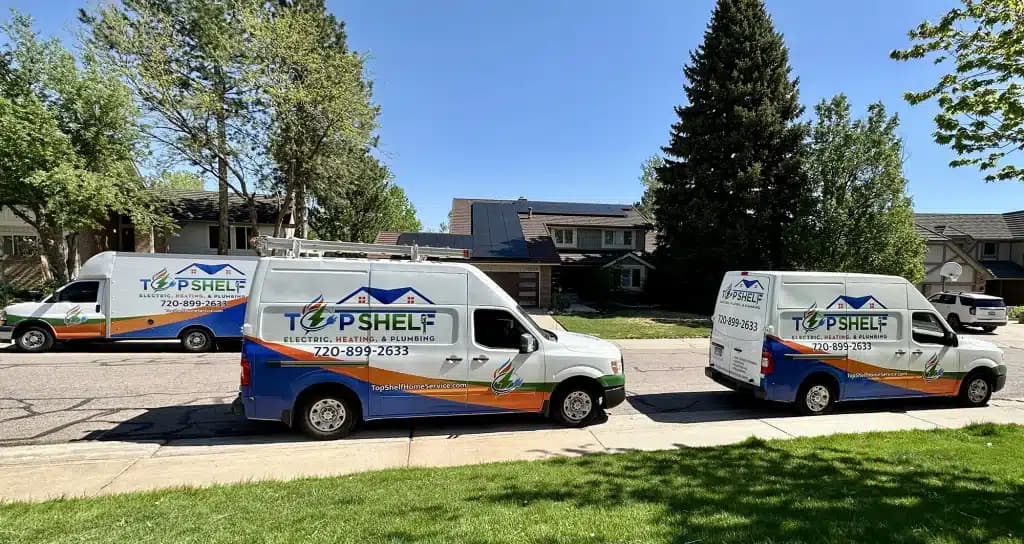
Our Denver Furnace Repair Process
Every furnace repair follows the same clear steps:
- Schedule service: Request service online or give us a call. Someone answers 24/7, and we book repairs from 7 a.m. to 10 p.m., seven days a week.
- Describe the problem: Tell your technician what you’ve noticed, including any error codes, noises, or smells.
- Diagnose the cause: We test ignition, safety controls, motors, and venting to find what failed and why.
- Get upfront pricing: You’ll see the repair price, along with replacement options if your furnace is near the end of its life, before we start.
- Make the repair: Your technician repairs or replaces the failed part and cleans up the work area.
- Test and verify: We run the furnace through full heating cycles and check carbon monoxide levels before leaving.
Common Problems We Solve With Furnace Repair
The Denver furnace repair calls we see most often, and what usually causes them:
- Furnace blowing cold air: A failed igniter, dirty flame sensor, or tripped limit switch
- Furnace short cycling: A dirty flame sensor, clogged filter, or oversized furnace
- Furnace won’t turn on: A tripped breaker, failed control board, or open door switch
- Loud bang at startup: Delayed ignition from dirty burners
- Water around the furnace: A clogged condensate trap or failed condensate pump
- Blower won’t shut off: A stuck relay on the control board or a thermostat problem
Furnace Repair Cost in Denver
Costs for furnace repair in Denver depend on which part failed and how long the repair takes. Cleaning a flame sensor or swapping a capacitor sits at the lower end. Replacing a control board, inducer motor, or gas valve costs more. Either way, you’ll see the exact price before any work begins, and nothing happens without your approval.
There are two easy ways to keep repair costs down:
- Top Shelf Maintenance Plan members pay $8.25 a month and get 15% off repairs, plus the trip fee waived during normal business hours
- For larger repairs, we offer financing through Wells Fargo Home Projects, including 0% interest plans on approved credit
Why Choose Top Shelf Electric, Heating, & Plumbing for Furnace Repair in Denver
When a furnace quits in the middle of a Denver cold snap, Top Shelf Electric, Heating, & Plumbing has a real person answering the phone 24/7 and technicians on the road from 7 a.m. to 10 p.m., seven days a week. Our veteran-owned company was founded by Ryan Clark and works out of Greenwood Village, serving Denver and more than 25 nearby communities. As a Trane authorized dealer, our HVAC technicians are trained on Trane heating equipment. We’re members of Team Dave Logan, hold a BBB A+ rating, and price every repair upfront, backed by our 100% satisfaction guarantee.
Furnace Repair Near You in Denver
Older homes, newer builds, and everything in between bring different furnace problems. Top Shelf provides furnace repair in every Denver neighborhood, including:
- Capitol Hill: Older homes and converted duplexes with furnaces in cramped basements
- University Park: Mid-century homes, many on furnaces well into their working life
- Sloan’s Lake: Original bungalows beside new builds, with repairs on everything from older standard-efficiency units to newer high-efficiency models
- Mar Lee: 1950s ranches where long-running furnaces often need igniter, blower, and inducer repairs
- Cherry Creek: Larger homes, some with multiple furnaces or zoned systems that need careful diagnosis
- Green Valley Ranch: Newer homes with original high-efficiency furnaces now prone to condensate and pressure switch issues
Denver Furnace Repair FAQs
Why is my furnace blowing cold air?
The most common causes are a failed igniter, a dirty flame sensor, or an overheating furnace that’s tripped its limit switch, often because of a clogged filter. Check the filter and thermostat first. If the air is still cold, it’s time for a repair visit.
Why does my furnace keep shutting off?
A furnace that lights and shuts off within seconds usually has a dirty flame sensor. If it runs a few minutes before shutting down, the cause is more often a clogged filter, blocked vent, or failing limit switch. Our technicians test each of these to find the real cause.
How much does furnace repair cost in Denver?
It depends on the part and labor involved. Smaller fixes like flame sensor cleaning cost much less than a control board or inducer motor replacement. You’ll get upfront pricing before work begins, and Maintenance Plan members save 15% on repairs.
Do you offer emergency furnace repair?
Our phones are answered live 24/7, and our technicians run service calls from 7 a.m. to 10 p.m., seven days a week, including weekends.
Is it worth repairing a 15-year-old furnace?
Sometimes. If the repair is minor and the furnace has otherwise been reliable, repairing it can make sense. If the repair is expensive, or it’s the latest in a string of breakdowns, replacement is usually the better investment. We’ll give you pricing for both.
Can I reset my furnace myself?
You can turn the furnace power switch off for 30 seconds and back on, which clears many lockouts. If the furnace locks out again, stop resetting it. Repeated lockouts mean something is wrong, and continuing to restart the furnace can make the problem worse.
What does a blinking light on my furnace mean?
Most modern furnaces have a status light that blinks in a pattern to signal a specific problem. The code chart is usually printed on the inside of the furnace door. Write down the pattern before you turn anything off, because it helps your technician diagnose the problem faster.
Why is there water around my furnace?
High-efficiency furnaces produce condensation, and a clogged condensate trap, cracked drain line, or failed condensate pump can let that water leak out. In winter, a frozen drain line can also cause the furnace to shut down.
What causes a furnace to bang when it turns on?
A loud bang at startup is usually delayed ignition, which happens when gas builds up before the burners light. Dirty burners are the most common cause. It should be checked soon, since delayed ignition puts stress on the heat exchanger.
Is a cracked heat exchanger dangerous?
Yes. A cracked heat exchanger can let combustion gases, including carbon monoxide, mix with the air circulating through your home. If we find a crack, we’ll show you what we see and explain your options, which usually means replacing the furnace.
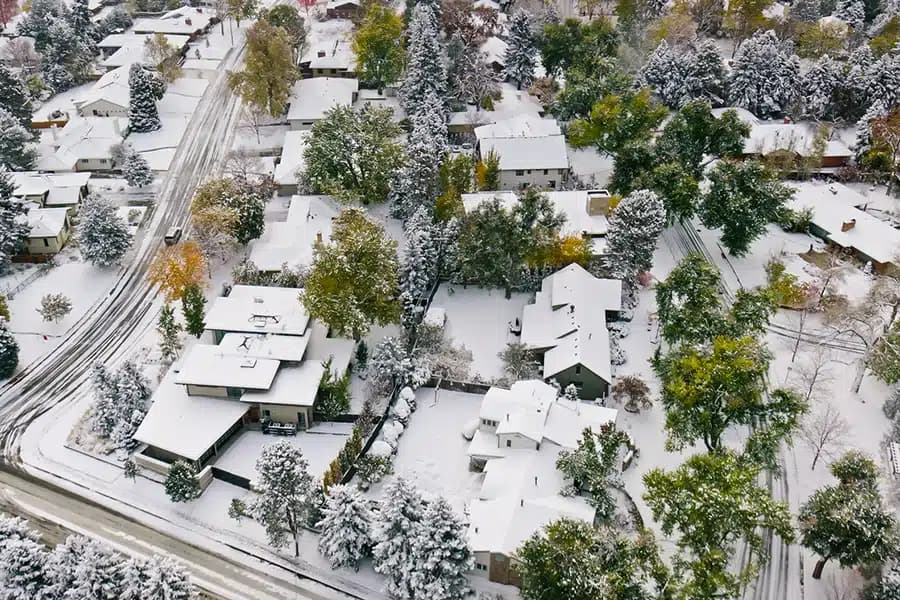
Broken Furnace? Time to Schedule Furnace Repair in Denver
When your furnace stops keeping up, the sooner it’s looked at, the smaller the repair tends to be. Request service online or give us a call, and a Top Shelf technician will find the problem, give you the price upfront, and get your home warm again.
Call (720) 899-2633Committed to Serving the Greater Metro Area
The team at Top Shelf Electric, Heating, & Plumbing are dedicated to servicing over 25 cities in the the Greater Denver Metro Area. Check out this list of just a few of the places we service for fast, reliable service you can trust. Give us a call for all of your home service needs!
 All Service Areas
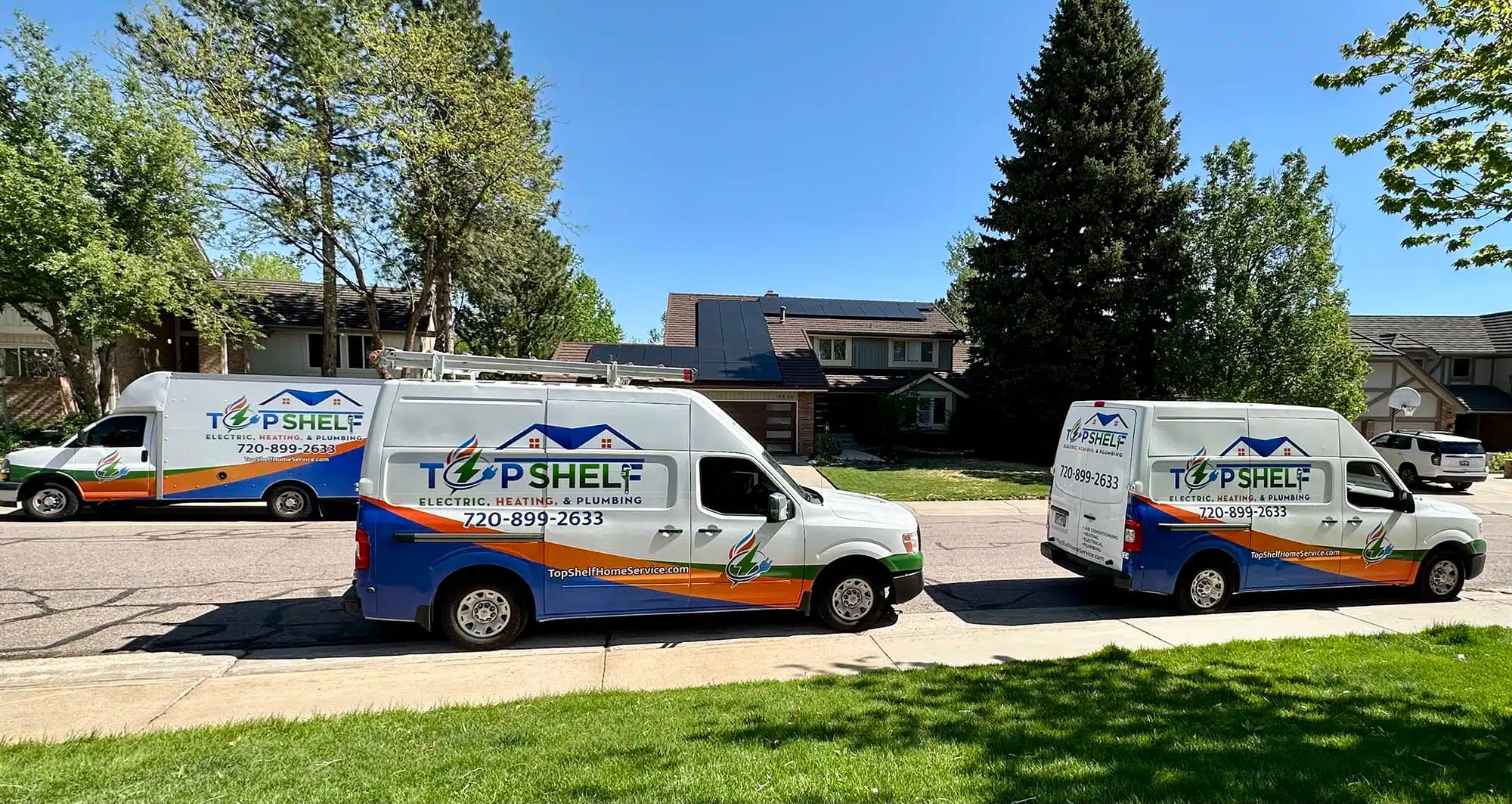
Complete Satisfaction Isn’t Just a Promise – It’s Our Privilege.

Darrell the electrician was awesome! He was so friendly, performed great work, worked clean, left my house clean and the work safe. Plus he just was a nice guy. We had an outlet installed in our fireplace so we can convert it to an electric one. We love top shelf and trust them

We’ve used TopShelf for years on everything from total AC/Furnace replacement to small projects, fixes and annual service. Every tech has been phenomenal, knowledgeable and super friendly. Darrell has done some electrical for us most recently and he’s hands down the best I’ve

After a recent partial failure of our 26 year old air conditioner/heating system, we decided to install a new Trane system to replace our old Trane system. Research led us to Top Shelf Electric, Heating, & Plumbing as the nearest and best company for the job. Thanks to Isaac

Today I had my PM on my furnace. Aiden Williams was the tech that came out. He was on time, friendly, went thru everything he did and showed me pics of everything he saw. This is why I’m happy I found Top Shelf. I highly recommend them. The payment I selected for this is

Aiden W was very helpful today. Everyone from Top Shelf is always great. Honest assessment and wasn’t pushy for additional services.

I recently had a new water purification system and new sump pump installed. Plumbers Aiden Moores and Aiden Williams of Top Shelf Home Services did an amazing job. Both men were professional, very knowledgeable about the product, and displayed a high level of skill set.

Aiden Williams came to the furnace tune-up appointment right on time. Showed respect for our property and did an excellent job in our home! He showed me some dirt on the blower wheel and said it still had a year before we need to get it cleaned. He never tried to oversell us

Aiden was very knowledgeable and professional, great experience. He was very thorough.

Daryl did an excellent job fixing my electrical problem

We had an issue with an upstairs toilet and tub drain. Plumber Jeremi Arellanez of Top Shelf Home Services came and assessed the situation, was very thorough, reasonable and fixed the problem right away. I trusted him so much that I opted to have him replace the two upstairs
I recently had a new water purification system and new sump pump installed. Plumbers Aiden Moores and Aiden Williams of Top Shelf Home Services did an amazing job. Both men were professional, very knowledgeable about the product, and displayed a high level of skill set.

Darrel was very personable, professional, and nice to work with. Highly recommend.

Darrel was amazing. Showed up on time and had are problem fixed in a couple of hours. It was a reasonable price.

I love Darrel

The electrician Darrell Montgomery did an excellent job. From the initial walk through and estimate to completion of the work and clean up of the area. He and his assistant were professional and worked efficiently and quickly. I would highly recommend to anyone looking for

We had a loss of power in one circuit and an outdated electrical panel. We called Top Shelf and Will G. Was able to come within a couple of hours. He explained the issue in detail and we were able to schedule the panel replacement for the next day! Will and Darrell came out on

Had a furnace inspection, and offered a service plan at a great place. This was a great experience.

We called Sunday for a quote. Darrell showed on Monday morning 8 am. Gave us great price on a bathroom fan replacement and a ceiling fan issue. Both fixed in great time. Awesome service great electrician and service. Appreciate you Darrell!

Isaac Hadsall and Aiden Moores were amazing and definitely would recommend them to anyone! Great great workers!

Aiden did a great job servicing my heater and walking me through all the information. Very professional!

We moved into a new house in June and, of course, the first time we tried to turn on the heater it wasn’t working. I requested service on the website, someone called me to schedule within 15 minutes, and Aiden came out to help within a couple of hours. He was quick,

Aiden and Chad did the maintenance on my furnace today. They both were professional, courteous and explained all they did,including photos. Thank you very much!! 😃👍

Aidan and Aidan (Aidan squared) were very professional, arrived on the early side of the two hour window, were familiar with my furnace, performed the service and offered additional service options.

Isaac did a great job of answering all my questions while at my place and after he had left when I had more. He was thorough and professional.
Darrell the electrician was awesome! He was so friendly, performed great work, worked clean, left my house clean and the work safe. Plus he just was a nice guy. We had an outlet installed in our fireplace so we can convert it to an electric one. We love top shelf and trust them
We’ve used TopShelf for years on everything from total AC/Furnace replacement to small projects, fixes and annual service. Every tech has been phenomenal, knowledgeable and super friendly. Darrell has done some electrical for us most recently and he’s hands down the best I’ve
After a recent partial failure of our 26 year old air conditioner/heating system, we decided to install a new Trane system to replace our old Trane system. Research led us to Top Shelf Electric, Heating, & Plumbing as the nearest and best company for the job. Thanks to Isaac
Today I had my PM on my furnace. Aiden Williams was the tech that came out. He was on time, friendly, went thru everything he did and showed me pics of everything he saw. This is why I’m happy I found Top Shelf. I highly recommend them. The payment I selected for this is
Aiden W was very helpful today. Everyone from Top Shelf is always great. Honest assessment and wasn’t pushy for additional services.
I recently had a new water purification system and new sump pump installed. Plumbers Aiden Moores and Aiden Williams of Top Shelf Home Services did an amazing job. Both men were professional, very knowledgeable about the product, and displayed a high level of skill set.
Aiden Williams came to the furnace tune-up appointment right on time. Showed respect for our property and did an excellent job in our home! He showed me some dirt on the blower wheel and said it still had a year before we need to get it cleaned. He never tried to oversell us
Aiden was very knowledgeable and professional, great experience. He was very thorough.
Daryl did an excellent job fixing my electrical problem
We had an issue with an upstairs toilet and tub drain. Plumber Jeremi Arellanez of Top Shelf Home Services came and assessed the situation, was very thorough, reasonable and fixed the problem right away. I trusted him so much that I opted to have him replace the two upstairs
I recently had a new water purification system and new sump pump installed. Plumbers Aiden Moores and Aiden Williams of Top Shelf Home Services did an amazing job. Both men were professional, very knowledgeable about the product, and displayed a high level of skill set.
Darrel was very personable, professional, and nice to work with. Highly recommend.
Darrel was amazing. Showed up on time and had are problem fixed in a couple of hours. It was a reasonable price.
I love Darrel
The electrician Darrell Montgomery did an excellent job. From the initial walk through and estimate to completion of the work and clean up of the area. He and his assistant were professional and worked efficiently and quickly. I would highly recommend to anyone looking for
We had a loss of power in one circuit and an outdated electrical panel. We called Top Shelf and Will G. Was able to come within a couple of hours. He explained the issue in detail and we were able to schedule the panel replacement for the next day! Will and Darrell came out on
Had a furnace inspection, and offered a service plan at a great place. This was a great experience.
We called Sunday for a quote. Darrell showed on Monday morning 8 am. Gave us great price on a bathroom fan replacement and a ceiling fan issue. Both fixed in great time. Awesome service great electrician and service. Appreciate you Darrell!
Isaac Hadsall and Aiden Moores were amazing and definitely would recommend them to anyone! Great great workers!
Aiden did a great job servicing my heater and walking me through all the information. Very professional!
We moved into a new house in June and, of course, the first time we tried to turn on the heater it wasn’t working. I requested service on the website, someone called me to schedule within 15 minutes, and Aiden came out to help within a couple of hours. He was quick,
Aiden and Chad did the maintenance on my furnace today. They both were professional, courteous and explained all they did,including photos. Thank you very much!! 😃👍
Aidan and Aidan (Aidan squared) were very professional, arrived on the early side of the two hour window, were familiar with my furnace, performed the service and offered additional service options.
Isaac did a great job of answering all my questions while at my place and after he had left when I had more. He was thorough and professional.