

Furnace Installation
Complete furnace solutions for Denver homes.
Furnace Installation in Denver, CO
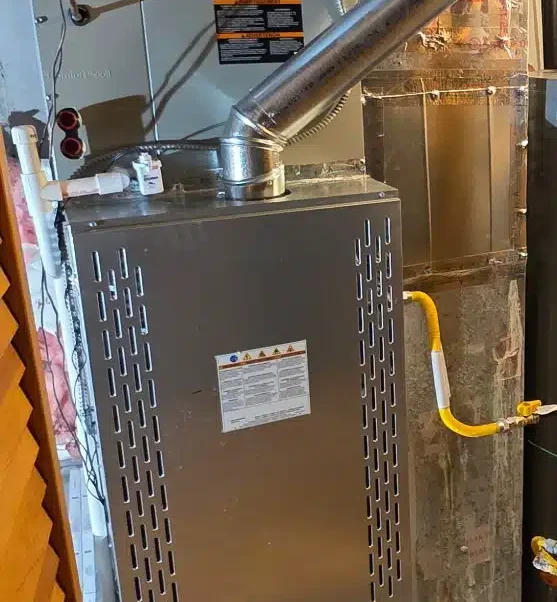
Furnace installation means replacing an old or failing furnace with new equipment that’s sized for your home, set up for Denver’s altitude, and installed to code. Top Shelf Electric, Heating, & Plumbing installs gas furnaces throughout Denver as a Trane authorized dealer and as part of our full range of Denver heating services.
Before we quote anything, we look at your home’s size, ductwork, and venting, and we ask how you use your heat. That way, the furnace you end up with fits both your house and your budget.
Reach out to our Denver furnace service pros for help today!
Call (720) 899-2633Our Denver Metro Heating Services
Benefits of Installing a New Furnace
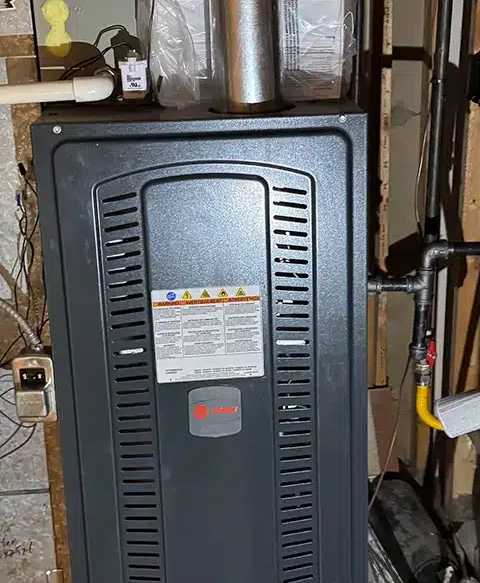
A new furnace changes more than your gas bill. Here’s what homeowners usually notice after installing a new furnace in Denver:
- Lower gas bills: High-efficiency furnaces rated 90% AFUE or higher turn more of your fuel into heat than older furnaces running at 80% or less.
- More even comfort: Two-stage and variable-speed furnaces run longer at lower output, which cuts down on hot and cold spots.
- Quieter operation: Newer blower motors and multi-stage burners run noticeably quieter than older single-speed equipment.
- Safer operation: A new heat exchanger and modern safety controls, set up correctly for altitude, remove the risks that come with aging equipment.
- Fewer repairs: New equipment comes with a manufacturer’s warranty, so you stop paying to keep an old furnace running.
- Cleaner air: Variable-speed blowers pair well with upgraded filtration and indoor air quality equipment.
Types of Furnaces We Install in Denver
The right furnace depends on your home, your budget, and how long you plan to stay. These are the main options:
- Standard-efficiency furnaces (80% AFUE): Lower upfront cost and vent through an existing chimney or metal flue, which works for some homes where new venting isn’t practical
- High-efficiency condensing furnaces (90%+ AFUE): Vent through PVC pipes and drain off condensation, and they’re the most efficient choice for most Denver homes
- Single-stage furnaces: Run at full output every time they turn on
- Two-stage furnaces: Run on a lower setting most of the time and switch to full power on the coldest days, for steadier, quieter heat
- Variable-speed and modulating furnaces: Adjust heat output and airflow in small steps for the most consistent temperatures and best efficiency
- Dual-fuel systems: Pair a gas furnace with a heat pump that handles heating on milder days
As a Trane authorized dealer, we install Trane furnaces across these efficiency and staging options, and we’ll walk you through which features are worth paying for in your home.
How to Choose the Right Furnace for Your Home
When it's time for furnace installation in Denver, a few questions make the decision much easier:
- Size it to your house, not your old furnace: Many older Denver furnaces were oversized, and a load calculation shows what your home actually needs.
- Match efficiency to how long you’ll stay: If you plan to stay ten years or more, the gas savings from a 90%+ AFUE furnace add up over time.
- Choose staging based on your comfort complaints: If you deal with hot and cold rooms or drafty temperature swings, a two-stage or variable-speed furnace is worth considering.
- Check your venting options: High-efficiency furnaces need a PVC vent path to the outside, which most Denver homes can accommodate.
- Look at the whole system: Your AC’s age, your ductwork’s condition, and your thermostat all affect how well a new furnace performs.
Repair or Replace Your Furnace: How to Decide
If your furnace is under 10 years old and the problem comes down to one part, furnace repair almost always makes more sense. Past 15 years, the decision gets closer. A common rule of thumb is to multiply your furnace’s age by the cost of the repair. If the result is over $5,000, replacing the furnace is usually the better investment.
Furnace replacement in Denver is also the right call when the heat exchanger is cracked, when repairs keep stacking up, or when the furnace can no longer keep your home comfortable on cold nights. We’ll price out both options and tell you plainly when a repair still makes more sense.
What’s Included in Your Denver Furnace Installation
A new furnace is only as good as the installation behind it. Every Top Shelf furnace installation in Denver, CO includes:
- An in-home assessment of your home’s size, insulation, and ductwork
- A load calculation to size the new furnace correctly
- Help choosing the right efficiency, staging, and features
- Removal and disposal of your old furnace
- Any required permits and inspections
- Installation of the new furnace, set up for high-altitude operation
- New PVC intake and exhaust venting for high-efficiency models
- Condensate drain or pump installation
- Gas line connection and leak testing
- Ductwork connections and sealing at the furnace
- Thermostat installation or connection
- Startup, combustion testing, and carbon monoxide checks
- A walkthrough of your new furnace, filter, and settings
- Warranty registration
We’ll also check whether a new high-efficiency furnace leaves your water heater venting alone through the old chimney, and correct the venting if it does.
Why Choose Top Shelf Electric, Heating, & Plumbing for Furnace Installation in Denver
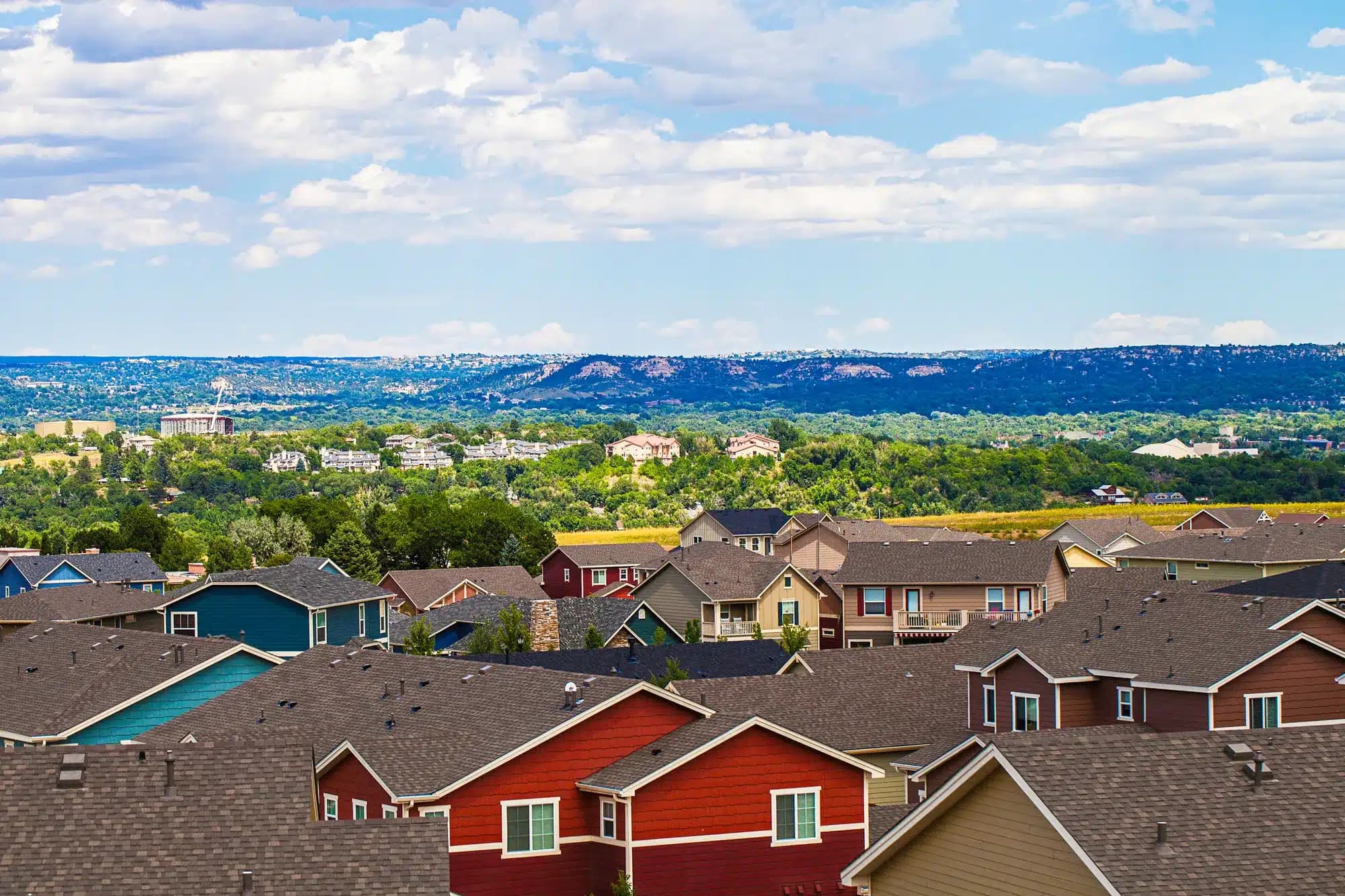
Top Shelf Electric, Heating, & Plumbing installs new furnaces in Denver homes as a Trane authorized dealer, so the same trained team handles your equipment and your installation. Founded by Ryan Clark, we’re a veteran-owned company based in Greenwood Village and a member of Team Dave Logan, Colorado’s network of vetted home service pros. We’ve been BBB accredited since 2019 with an A+ rating, and every installation comes with upfront pricing and our 100% satisfaction guarantee. Through our yearly Ugly Furnace Contest, we also replace old, failing furnaces for local homeowners at no cost.
Furnace Installation Cost in Denver
What a new furnace costs depends on the equipment you choose and what your home needs to support it. The biggest cost factors are:
- Efficiency rating: A 90%+ AFUE furnace costs more upfront and less to run every winter
- Staging and blower type: Two-stage and variable-speed models cost more than single-stage
- Furnace size: Larger homes need higher-capacity equipment
- Venting changes: Switching from an 80% to a 90%+ furnace means new PVC venting and a condensate drain
- Ductwork: Undersized or leaky ducts near the furnace may need modifications
- Chimney work: A liner may be needed if your water heater will vent alone through the old chimney
- Add-ons: Thermostats, humidifiers, and air filtration upgrades
You’ll get upfront pricing before any work begins. To make a new furnace easier on your budget, we offer financing through Wells Fargo Home Projects, with fast approvals, convenient monthly payments, and 0% interest plans on approved credit. Top Shelf Maintenance Plan members also save 10% on installations and replacements.
Request ServiceInstalling a Furnace for Denver’s Climate
A furnace installed in Denver has to be set up for conditions that most installation manuals treat as exceptions:
- Altitude setup: At 5,280 feet, gas furnaces typically need their gas input adjusted, and sometimes high-altitude parts, according to the manufacturer’s instructions.
- Sizing for cold nights: The furnace needs enough capacity for single-digit nights without being so oversized that it short cycles on mild days.
- Vent placement for snow: PVC vent pipes should end above the expected snow line and away from spots where drifts pile up.
- Freeze-proof drainage: Condensate lines have to be routed so they won’t freeze in garages, attics, or crawlspaces.
- Dry winter air: Many Denver homeowners add a whole-home humidifier when they replace their furnace.
Problems we often find when replacing older furnaces in Denver homes:
- Furnaces oversized for the home, causing short cycling and uneven heat
- Undersized return air ducts that strain the blower
- Water heaters left venting alone into oversized chimneys
- Vent pipes ending too low for Denver snowfall
- Older installations that were never properly set up for altitude
- Leaky duct connections at the furnace
Our Denver Furnace Installation Process
Every furnace installation follows the same clear steps:
- Schedule your consultation: Request service online or give us a call. Someone answers 24/7, and appointments run from 7 a.m. to 10 p.m., seven days a week.
- In-home assessment: We measure your home, check your ductwork and venting, and ask about any comfort problems you’ve been dealing with.
- Review options and pricing: You’ll see your furnace options with upfront pricing, along with financing if you want it.
- Install your new furnace: We remove the old furnace and install the new one, along with any venting, gas, and drain work it needs.
- Test and verify: We check startup, combustion, carbon monoxide levels, temperature rise, and thermostat operation.
- Walkthrough and follow-up: Your technician shows you how to change the filter and use your settings, and we register your warranty.
Most straightforward furnace replacements in Denver are finished in a single day. Venting or ductwork changes can add time, and we’ll tell you upfront if that applies to your home.
Call (720) 899-2633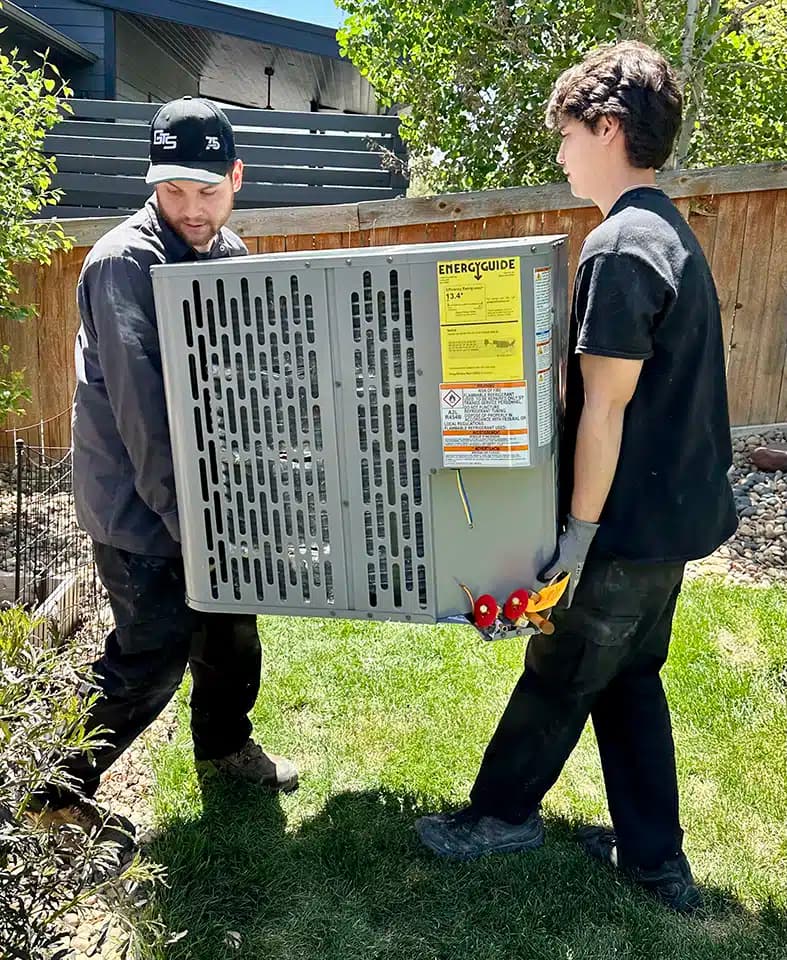
Furnace Installation Near You in Denver
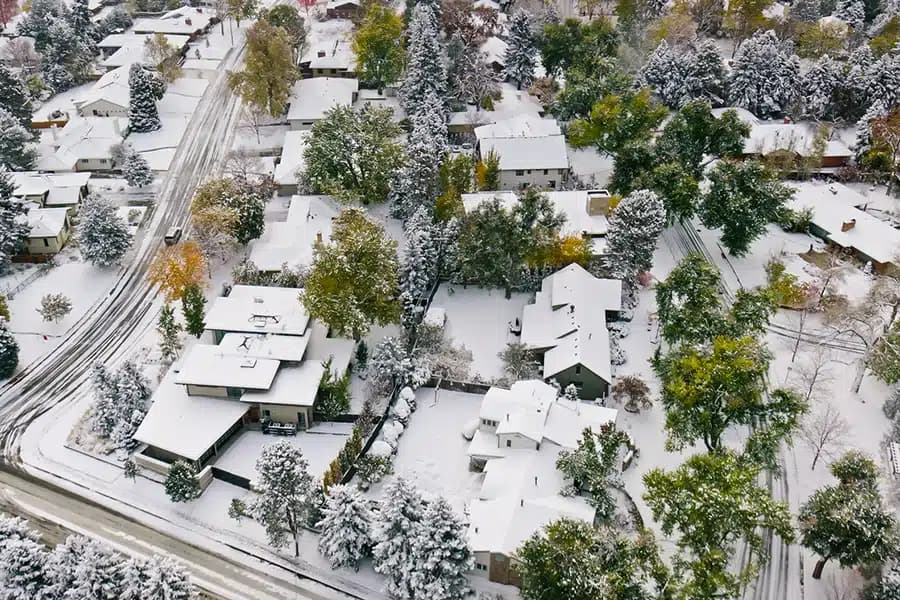
Every Denver neighborhood comes with its own installation considerations. Top Shelf installs furnaces throughout Denver, including:
- Sunnyside: Early 1900s homes where a high-efficiency furnace often means new PVC venting and a chimney liner
- Bear Valley: 1960s ranches and split-levels, many with furnaces nearing replacement age
- Hampden: 1970s and ’80s homes where older ductwork should be checked during a furnace replacement
- Cole and Whittier: Historic homes where new furnaces have to fit original basement layouts
- Belcaro: Larger homes where upgrades often include zoning or variable-speed equipment
- Montbello: 1970s and ’80s homes where original or early replacement furnaces are often due for an upgrade
Denver Furnace Installation FAQs
How much does a new furnace cost in Denver?
The cost depends on the furnace’s efficiency, staging, and size, plus any venting, ductwork, or chimney work your home needs. You’ll get upfront pricing after an in-home assessment, and financing is available through Wells Fargo Home Projects.
How long does furnace installation take?
Most furnace replacements are completed in one day. If your home needs new venting, ductwork changes, or a chimney liner, the job can take longer, and we’ll let you know before work begins.
What size furnace do I need?
The right size depends on your home’s square footage, insulation, windows, ductwork, and Denver’s winter temperatures. A load calculation gives a much more accurate answer than matching your old furnace, since many older furnaces were oversized.
Is a high-efficiency furnace worth it in Denver?
For most homeowners, yes. Denver’s heating season runs from about October into April, so a 90%+ AFUE furnace has plenty of time to pay you back in lower gas bills. It’s an especially good fit if you plan to stay in your home for several years.
Do furnaces need special setup for Denver’s altitude?
Yes. Gas furnaces at Denver’s elevation typically need their gas input adjusted for high-altitude combustion, following the manufacturer’s instructions. We set up and test every new furnace for altitude before we leave.
Do I need a permit to replace a furnace in Denver?
Furnace replacements in Denver generally require a permit and inspection. Top Shelf takes care of the required permits as part of your installation.
Does my furnace need to be adjusted for Denver’s altitude?
Yes. Gas furnaces at Denver’s elevation need to be set up for high-altitude combustion so they burn cleanly and safely. During maintenance, we check gas pressure and combustion to confirm the setup is still correct.
Should I replace my air conditioner at the same time?
If your AC is more than 10 to 15 years old, replacing both together can make sense. The two systems share a blower and ductwork, and replacing them at once lets you match the equipment and handle everything in a single installation.
What’s the difference between single-stage, two-stage, and variable-speed furnaces?
A single-stage furnace runs at full power every time. A two-stage furnace runs on a lower setting most of the time and switches to full power when it’s very cold. A variable-speed or modulating furnace adjusts in small steps for the most even, quiet, and efficient heat.
Do you offer financing on new furnaces?
Yes. Top Shelf partners with Wells Fargo Home Projects to offer financing with fast approvals, convenient monthly payments, and 0% interest plans on approved credit.
How long will a new furnace last?
A well-installed gas furnace typically lasts 15 to 20 years. Yearly maintenance helps it reach the high end of that range and keeps your warranty in good standing.
Broken Furnace? Schedule a Furnace Installation in Denver Today.
Replacing your furnace on your own schedule beats replacing it after a midwinter breakdown. Request service online or give us a call, and a Top Shelf technician will assess your home, walk you through your options, and give you upfront pricing on a furnace that fits.
Call (720) 899-2633Committed to Serving the Greater Metro Area
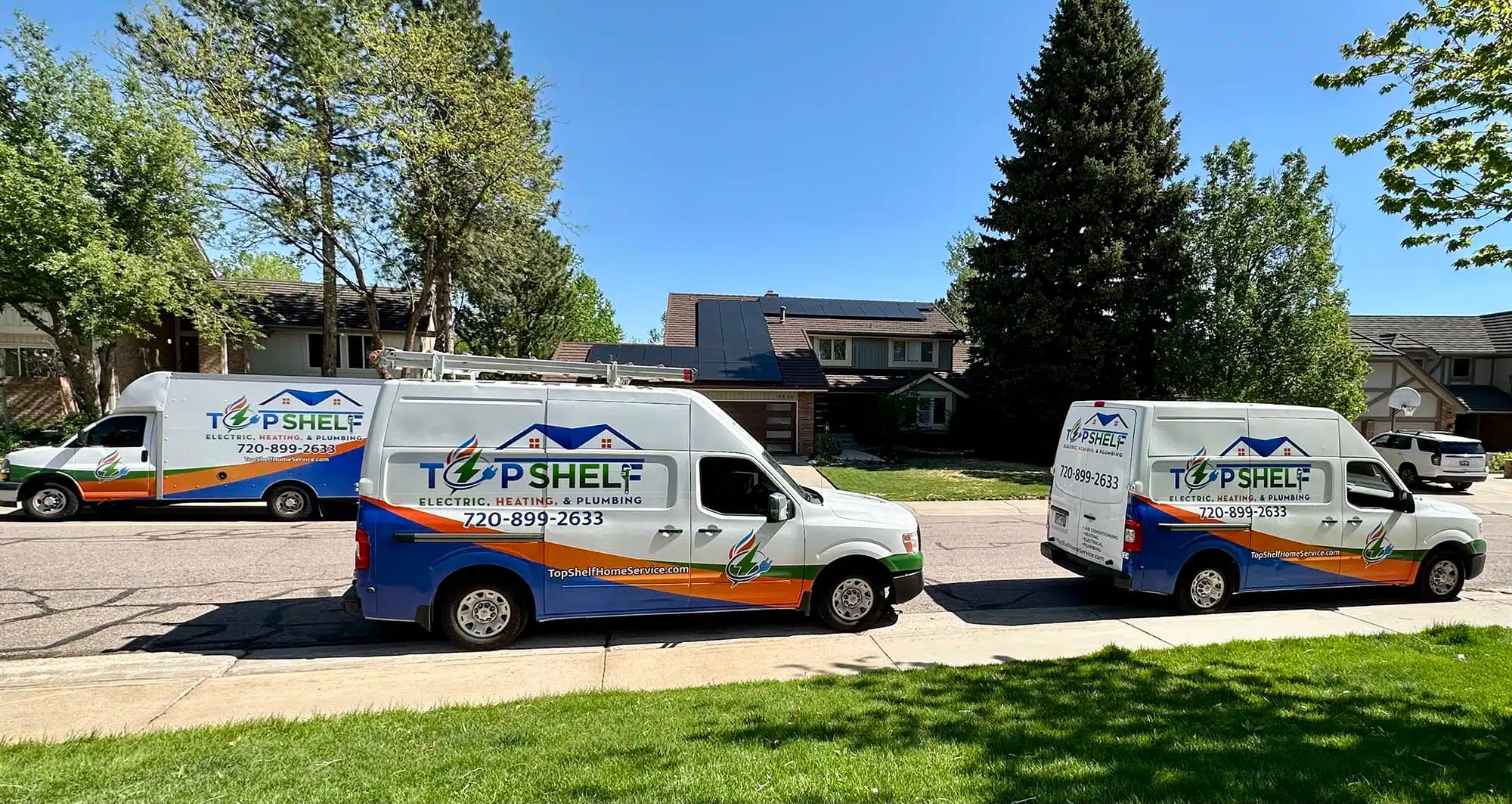
The team at Top Shelf Electric, Heating, & Plumbing are dedicated to servicing over 25 cities in the the Greater Denver Metro Area. Check out this list of just a few of the places we service for fast, reliable service you can trust. Give us a call for all of your home service needs!
 All Service Areas
Complete Satisfaction Isn’t Just a Promise – It’s Our Privilege.

Darrell the electrician was awesome! He was so friendly, performed great work, worked clean, left my house clean and the work safe. Plus he just was a nice guy. We had an outlet installed in our fireplace so we can convert it to an electric one. We love top shelf and trust them

We’ve used TopShelf for years on everything from total AC/Furnace replacement to small projects, fixes and annual service. Every tech has been phenomenal, knowledgeable and super friendly. Darrell has done some electrical for us most recently and he’s hands down the best I’ve

After a recent partial failure of our 26 year old air conditioner/heating system, we decided to install a new Trane system to replace our old Trane system. Research led us to Top Shelf Electric, Heating, & Plumbing as the nearest and best company for the job. Thanks to Isaac

Today I had my PM on my furnace. Aiden Williams was the tech that came out. He was on time, friendly, went thru everything he did and showed me pics of everything he saw. This is why I’m happy I found Top Shelf. I highly recommend them. The payment I selected for this is

Aiden W was very helpful today. Everyone from Top Shelf is always great. Honest assessment and wasn’t pushy for additional services.

I recently had a new water purification system and new sump pump installed. Plumbers Aiden Moores and Aiden Williams of Top Shelf Home Services did an amazing job. Both men were professional, very knowledgeable about the product, and displayed a high level of skill set.

Aiden Williams came to the furnace tune-up appointment right on time. Showed respect for our property and did an excellent job in our home! He showed me some dirt on the blower wheel and said it still had a year before we need to get it cleaned. He never tried to oversell us

Aiden was very knowledgeable and professional, great experience. He was very thorough.

Daryl did an excellent job fixing my electrical problem

We had an issue with an upstairs toilet and tub drain. Plumber Jeremi Arellanez of Top Shelf Home Services came and assessed the situation, was very thorough, reasonable and fixed the problem right away. I trusted him so much that I opted to have him replace the two upstairs
I recently had a new water purification system and new sump pump installed. Plumbers Aiden Moores and Aiden Williams of Top Shelf Home Services did an amazing job. Both men were professional, very knowledgeable about the product, and displayed a high level of skill set.

Darrel was very personable, professional, and nice to work with. Highly recommend.

Darrel was amazing. Showed up on time and had are problem fixed in a couple of hours. It was a reasonable price.

I love Darrel

The electrician Darrell Montgomery did an excellent job. From the initial walk through and estimate to completion of the work and clean up of the area. He and his assistant were professional and worked efficiently and quickly. I would highly recommend to anyone looking for

We had a loss of power in one circuit and an outdated electrical panel. We called Top Shelf and Will G. Was able to come within a couple of hours. He explained the issue in detail and we were able to schedule the panel replacement for the next day! Will and Darrell came out on

Had a furnace inspection, and offered a service plan at a great place. This was a great experience.

We called Sunday for a quote. Darrell showed on Monday morning 8 am. Gave us great price on a bathroom fan replacement and a ceiling fan issue. Both fixed in great time. Awesome service great electrician and service. Appreciate you Darrell!

Isaac Hadsall and Aiden Moores were amazing and definitely would recommend them to anyone! Great great workers!

Aiden did a great job servicing my heater and walking me through all the information. Very professional!

We moved into a new house in June and, of course, the first time we tried to turn on the heater it wasn’t working. I requested service on the website, someone called me to schedule within 15 minutes, and Aiden came out to help within a couple of hours. He was quick,

Aiden and Chad did the maintenance on my furnace today. They both were professional, courteous and explained all they did,including photos. Thank you very much!! 😃👍

Aidan and Aidan (Aidan squared) were very professional, arrived on the early side of the two hour window, were familiar with my furnace, performed the service and offered additional service options.

Isaac did a great job of answering all my questions while at my place and after he had left when I had more. He was thorough and professional.
Darrell the electrician was awesome! He was so friendly, performed great work, worked clean, left my house clean and the work safe. Plus he just was a nice guy. We had an outlet installed in our fireplace so we can convert it to an electric one. We love top shelf and trust them
We’ve used TopShelf for years on everything from total AC/Furnace replacement to small projects, fixes and annual service. Every tech has been phenomenal, knowledgeable and super friendly. Darrell has done some electrical for us most recently and he’s hands down the best I’ve
After a recent partial failure of our 26 year old air conditioner/heating system, we decided to install a new Trane system to replace our old Trane system. Research led us to Top Shelf Electric, Heating, & Plumbing as the nearest and best company for the job. Thanks to Isaac
Today I had my PM on my furnace. Aiden Williams was the tech that came out. He was on time, friendly, went thru everything he did and showed me pics of everything he saw. This is why I’m happy I found Top Shelf. I highly recommend them. The payment I selected for this is
Aiden W was very helpful today. Everyone from Top Shelf is always great. Honest assessment and wasn’t pushy for additional services.
I recently had a new water purification system and new sump pump installed. Plumbers Aiden Moores and Aiden Williams of Top Shelf Home Services did an amazing job. Both men were professional, very knowledgeable about the product, and displayed a high level of skill set.
Aiden Williams came to the furnace tune-up appointment right on time. Showed respect for our property and did an excellent job in our home! He showed me some dirt on the blower wheel and said it still had a year before we need to get it cleaned. He never tried to oversell us
Aiden was very knowledgeable and professional, great experience. He was very thorough.
Daryl did an excellent job fixing my electrical problem
We had an issue with an upstairs toilet and tub drain. Plumber Jeremi Arellanez of Top Shelf Home Services came and assessed the situation, was very thorough, reasonable and fixed the problem right away. I trusted him so much that I opted to have him replace the two upstairs
I recently had a new water purification system and new sump pump installed. Plumbers Aiden Moores and Aiden Williams of Top Shelf Home Services did an amazing job. Both men were professional, very knowledgeable about the product, and displayed a high level of skill set.
Darrel was very personable, professional, and nice to work with. Highly recommend.
Darrel was amazing. Showed up on time and had are problem fixed in a couple of hours. It was a reasonable price.
I love Darrel
The electrician Darrell Montgomery did an excellent job. From the initial walk through and estimate to completion of the work and clean up of the area. He and his assistant were professional and worked efficiently and quickly. I would highly recommend to anyone looking for
We had a loss of power in one circuit and an outdated electrical panel. We called Top Shelf and Will G. Was able to come within a couple of hours. He explained the issue in detail and we were able to schedule the panel replacement for the next day! Will and Darrell came out on
Had a furnace inspection, and offered a service plan at a great place. This was a great experience.
We called Sunday for a quote. Darrell showed on Monday morning 8 am. Gave us great price on a bathroom fan replacement and a ceiling fan issue. Both fixed in great time. Awesome service great electrician and service. Appreciate you Darrell!
Isaac Hadsall and Aiden Moores were amazing and definitely would recommend them to anyone! Great great workers!
Aiden did a great job servicing my heater and walking me through all the information. Very professional!
We moved into a new house in June and, of course, the first time we tried to turn on the heater it wasn’t working. I requested service on the website, someone called me to schedule within 15 minutes, and Aiden came out to help within a couple of hours. He was quick,
Aiden and Chad did the maintenance on my furnace today. They both were professional, courteous and explained all they did,including photos. Thank you very much!! 😃👍
Aidan and Aidan (Aidan squared) were very professional, arrived on the early side of the two hour window, were familiar with my furnace, performed the service and offered additional service options.
Isaac did a great job of answering all my questions while at my place and after he had left when I had more. He was thorough and professional.